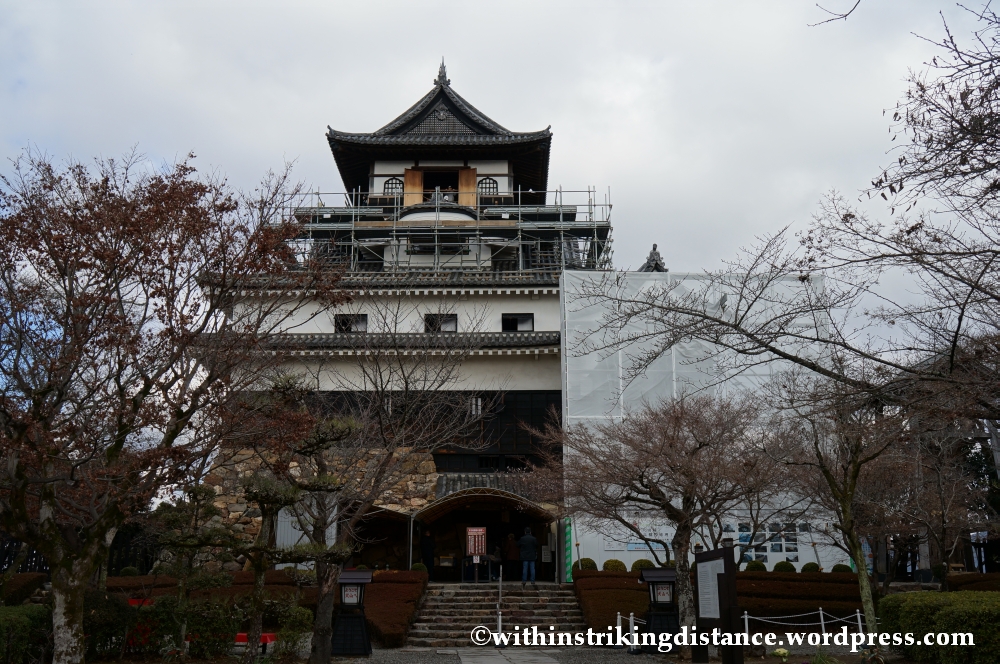
With scores of castles dotting the Japanese landscape, even a lifetime of travelling probably won’t be enough to visit them all.
Still, one can try. And today’s long journey will bring us two steps closer to that goal.
Our first stop of the day is the castle town of Inuyama, in Aichi Prefecture. For anyone planning to visit the same place, I’d strongly suggest doing it as a day trip from Nagoya since they’re just half an hour apart by express train. The only reason I’m doing it as a day trip from faraway Tōkyō is because my itinerary can’t accommodate it otherwise, being built around multiple events and delicately arranged to account for such things as closing days for certain attractions I’m planning to visit.
Our first leg is on the Hikari 501, scheduled to leave Shinagawa Station at 06:34.
(The route plotted above follows the same course that I actually took, although it’s for the Nozomi 5 shinkansen service – off-limits to JR Pass-wielding riders like me.)
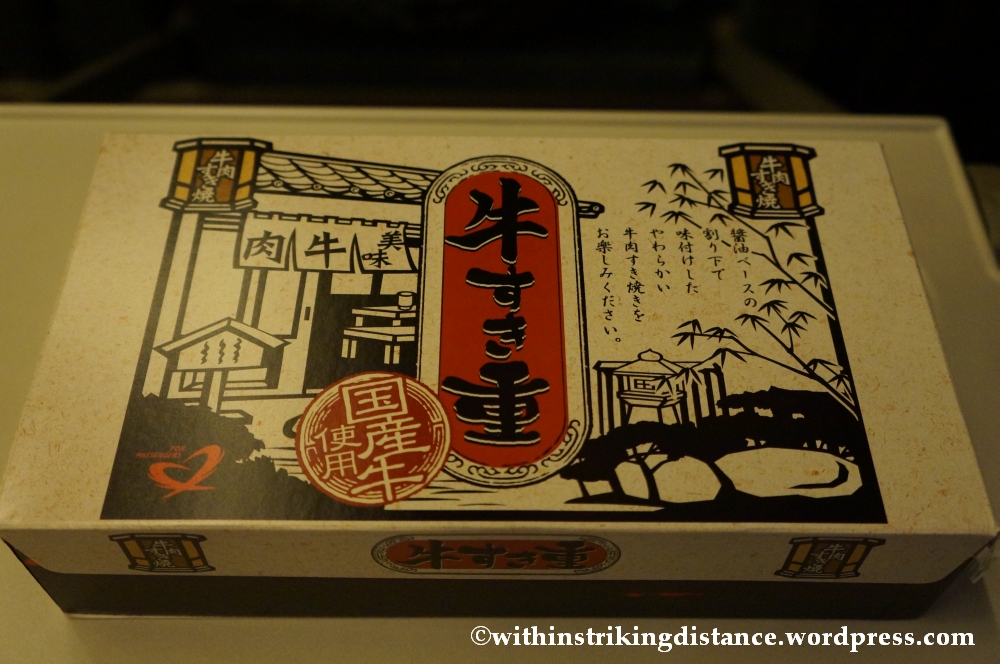
It’s too early for breakfast at the hotel, but you won’t hear me complaining as this provides the perfect excuse to splash out on an ekiben for the journey. Today’s selection is a beef bentō.

At Nagoya, we’re transferring off the JR line and onto the private Meitetsu railway network. Our next ride is the 08:46 limited express bound for Shin-Unuma, which will make a brief stop at our disembarkation point of Inuyama-yūen at 09:18.
The short ride will cost us 590 each (the JR Pass isn’t valid on these trains), but I don’t mind throwing in another 350 yen for admission to the first-class carriage. More comfortable seats – and a much better view.


From Inuyama-yūen Station, a pleasant walk along the Kiso River will take us to Inuyama Castle, one of only 12 castles in Japan with an intact main tower (and one of the most ancient members of that very exclusive club).

The first sight of the castle from the riverbank is both impressive and disappointing. Impressive, because of the castle’s commanding position over the river and town. Disappointing, because of the scaffolding that’s clearly visible even from this far. It seems restoration work is currently in progress – and that means not all of the castle will be picture-perfect when we start snapping photographs later.
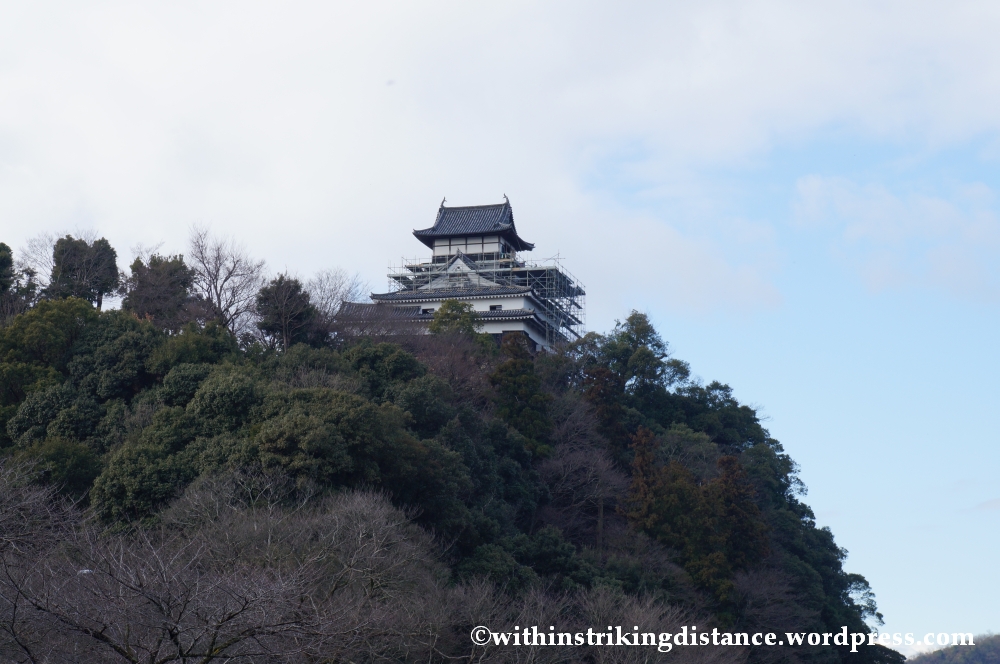
Turn left just after the large riverside hotel compound, and follow the path that skirts the foot of the hill upon which the castle stands.

On our way up, we’ll see two shrines with very different torii. Haritsuna Shrine’s is made out of grey stone (or very possibly concrete), whereas Sarutahiko Shrine has bright vermilion ones. There’s even a path of torii reminiscent of the one at Fushimi-Inari Shrine, although much shorter in this case.


Near the top of the hill stands the castle’s main gate. I’ve no idea how authentic this reconstruction is, but the unusually tall windows and modern interior in the superstructure (which now houses the site’s administrative office, I believe) suggest that more than a few liberties were taken.

The honmaru is pretty small, and it’s not long before we’re in a good position for a shot of the main tower – an officially-designated National Treasure.
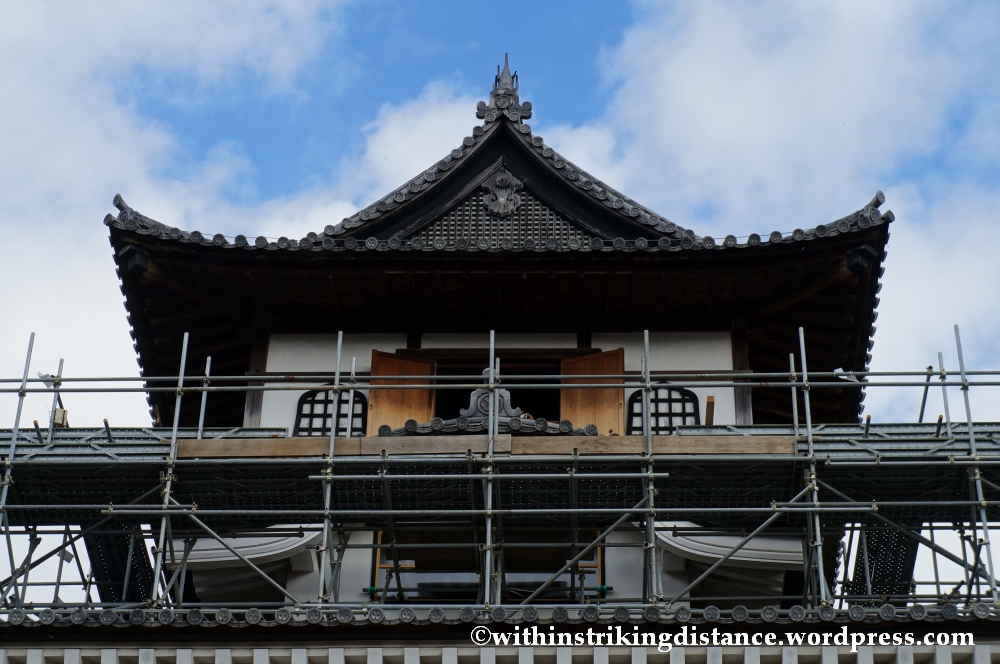
Lovely, and all the more impressive for the fact that it’s the real deal – not some postwar concrete pile made to look like a castle. Shame about the scaffolding, though.
On the other hand, if the present restoration effort keeps this castle standing for a few more centuries, it’s an aesthetic sacrifice well worth making (and only a temporary one, after all).
Once through the door, I run into my old nemesis in Japanese castles: the narrow, steep, near-vertical wooden staircase with slick wooden steps ready to send careless climbers slipping to their doom. (And this is one of the shorter ones I’ve seen; just imagine the longer ones in some of the bigger castles.)
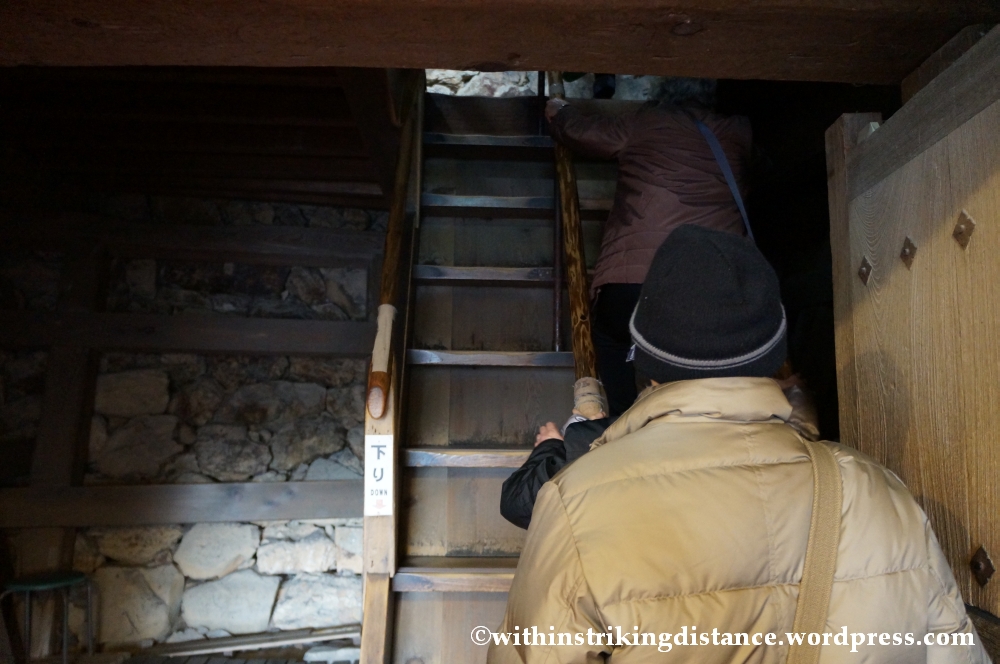
How on earth did people climb these things, especially in the days before the advent of banisters and safety rails?
The castle’s interiors house various exhibits and historical artefacts, although for a true enthusiast, the structure itself is the main attraction.


The top floor doesn’t have much inside . . .

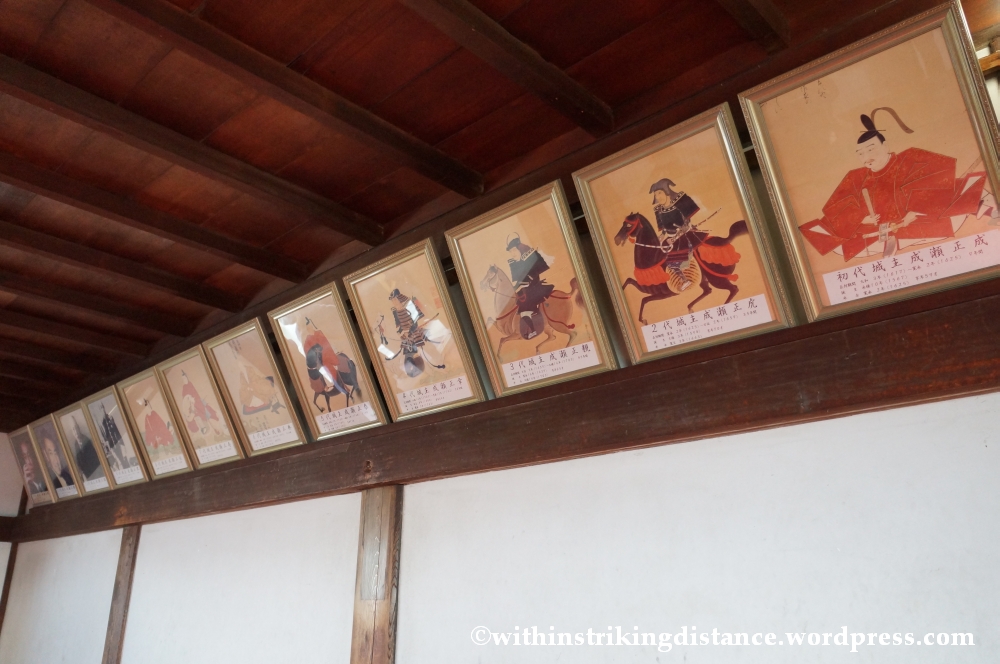
. . . but that’s because the best stuff is all outside. (I am, of course, referring to the view.)


There’s usually a great view to be had from the top floors of Japanese castles, which makes perfect sense as the warlords who built them would have wanted clear lines of sight over the areas surrounding their fortresses. The view from Inuyama Castle ranks among the best I’ve seen, probably because of its lofty perch and the spectacular sight of the river flowing just beneath it. It’s even possible to make out the skyscrapers of downtown Nagoya in one of the pictures above.
Forget launching a surprise attack on this place, especially in the centuries before urban sprawl when the landscape would have been dominated by a low-rise town and rice fields all around. Might as well just call ahead and politely let them know you’re coming to put on a siege, because they’ll be able to see you anyway.
From here, one can observe some of the ongoing restoration work up close.


On our way down, pause for a moment to admire the stonework forming the castle tower’s base, and the weathered wooden door that guards its entrance.


Of course, there’s more to see in Inuyama than just the castle. There’s a nice garden not too far from here, but we need to save daylight for castle #2 (that’ll be in the next post) so let’s just head for Inuyama Station – not the same one we got off at – and pop into a couple of attractions along the way. Keep your castle ticket safe: it’s also valid for admission to two museums in the old part of town. Both are just a short walk from the shrines at the foot of the castle hill and are right on our route to the station.
The first houses a large collection of karakuri ningyō, ranging from the well-known tea servers to elaborately-attired figures designed for parade floats.


The other, called the Shiro-to-machi Museum, opened in 2012 and features exhibits documenting life in Inuyama’s castle town.

Photography isn’t allowed inside, so I can’t show you its most impressive exhibit: a large, incredibly detailed model depicting the castle and the town as it looked during the Edo period.
As one might expect, much of the former castle town has given way to the bland concrete sprawl typical of mid-size Japanese cities, but a stretch of old (or old-looking) buildings has been preserved along the main street and gives some idea of what this area looked like during the castle’s heyday.


From the station, it’s back to Nagoya and an eastward-bound shinkansen – though we’re not going all the way to Tōkyō. Not yet, anyway. We’ve got one more castle to invade before the day is done.
To be continued.


Leave a Reply