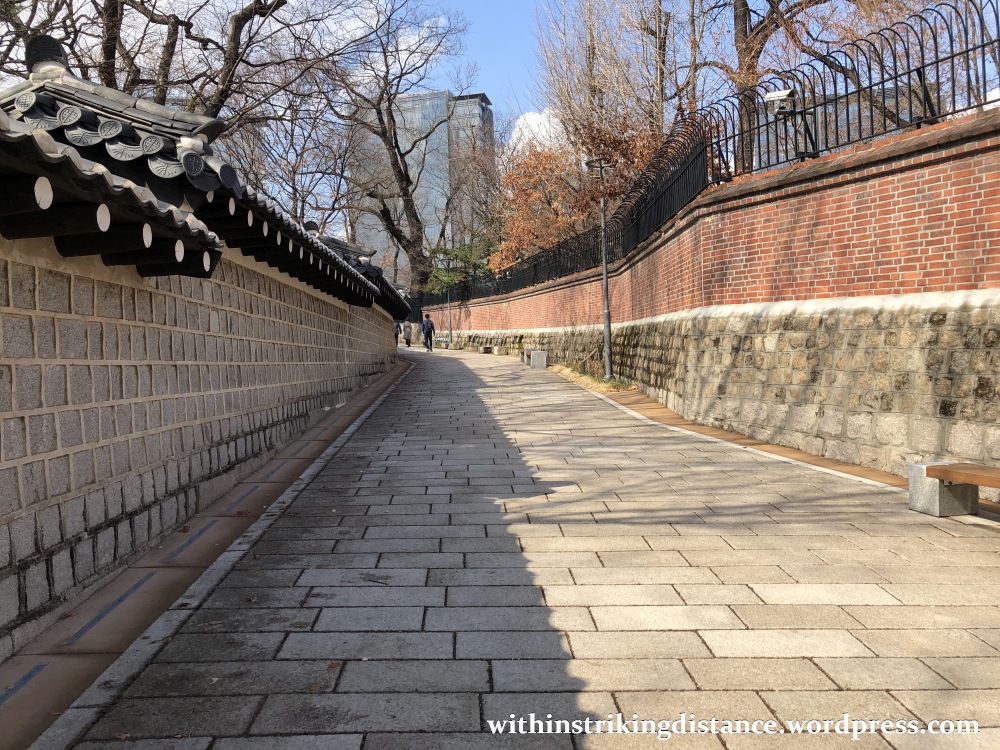
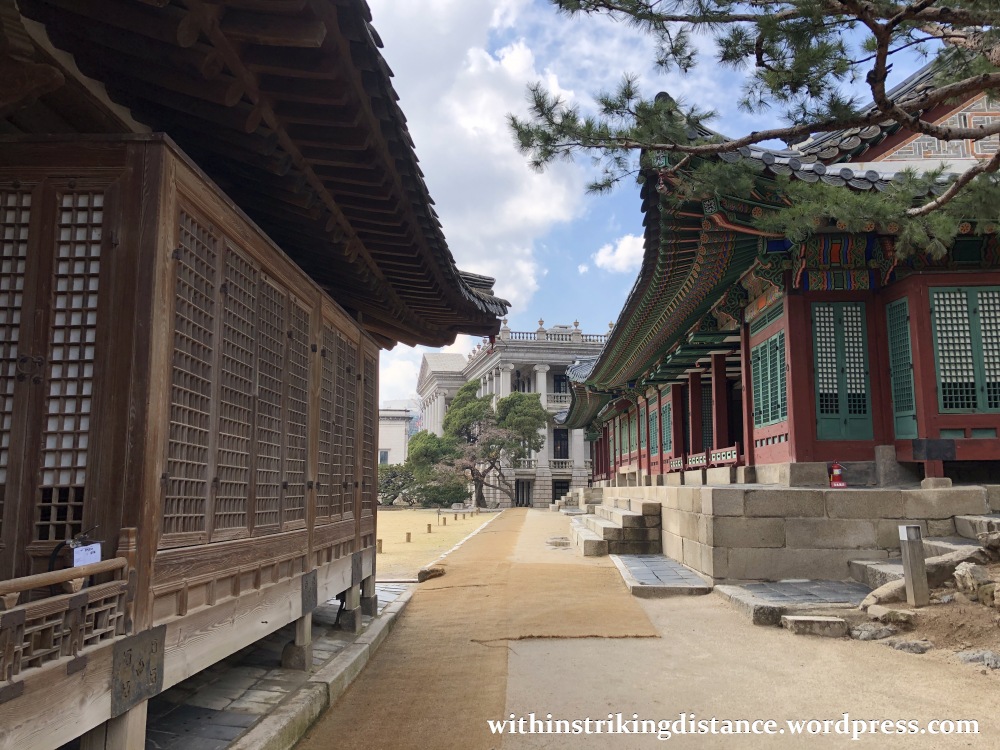
Field Report:  The Seokjojeon Hall of Deoksugung, Seoul, South Korea (23 March 2019)

In some ways, Deoksugung (덕수궁) is the odd man out amongst the former royal palaces of Seoul. With its eclectic mix of Eastern and Western architecture, this walled compound offers an interesting contrast to the rigidly traditional forms employed in Gyeongbokgung just up the road. Today, we’ll take a close look at one of Deoksugung’s most prominent Western-style structures: a striking reminder of the time when the Kingdom of Joseon broke with its own past and reminted itself as the Korean Empire.

Continue reading “Field Report:  The Seokjojeon Hall of Deoksugung, Seoul, South Korea (23 March 2019)”

Field Snapshots: Seoul’s National Museum of Korea and Yongsan Family Park (23 March 2019)

I gave myself a nice, easy, relaxed start to my holiday in Seoul this past spring. So relaxed, in fact, that there isn’t much to say about those first few hours. I paid my old friend the National Museum of Korea a visit – as is my habit whenever I’m in Seoul – and, since I’d arrived before opening hours, I went on a leisurely stroll across the grounds. The museum’s outdoor exhibition area blends rather seamlessly into the surrounding Yongsan Family Park, so let’s think of the two as one.

Continue reading “Field Snapshots: Seoul’s National Museum of Korea and Yongsan Family Park (23 March 2019)”

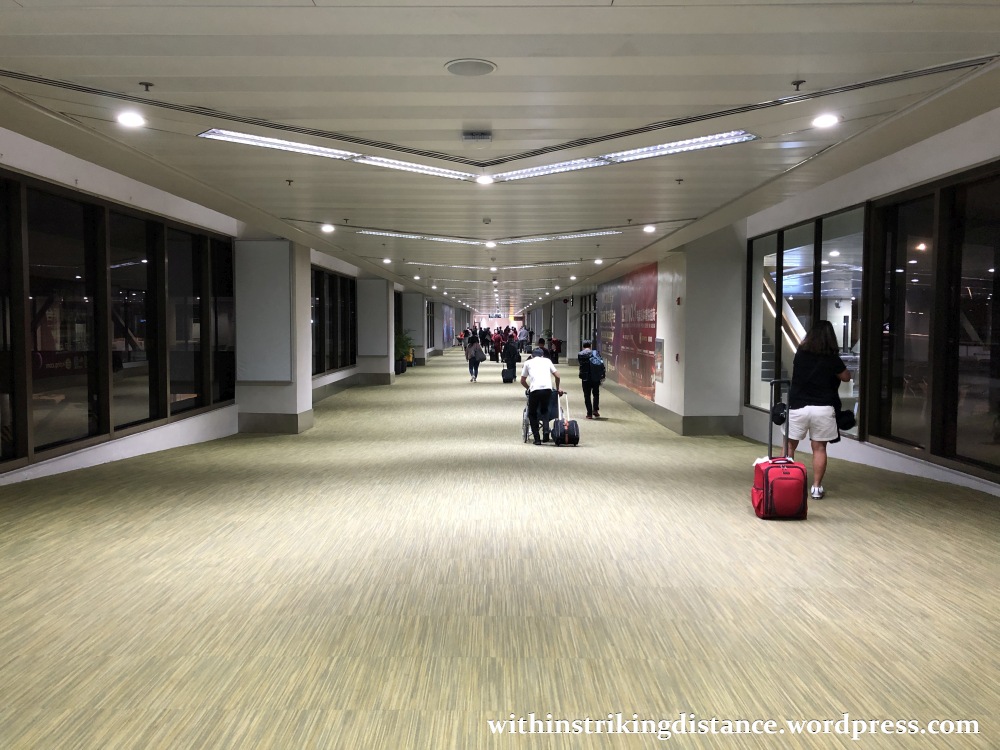
(Mini-)Terminal Report: The Arrivals Zone of Ninoy Aquino International Airport (MNL) T1, Metro Manila, Philippines

***UPDATE (added 09 December 2022): The information on this page is outdated and has been completely superseded by a new Airport Guide. For current details about MNL Terminal 1, please click here.***

We’ve taken a detailed look at the departures zone of Ninoy Aquino International Airport’s Terminal 1 through one of my previous Terminal Reports. Today, we’ll go down and experience the terminal from the perspective of an arriving passenger.

Continue reading “(Mini-)Terminal Report: The Arrivals Zone of Ninoy Aquino International Airport (MNL) T1, Metro Manila, Philippines”

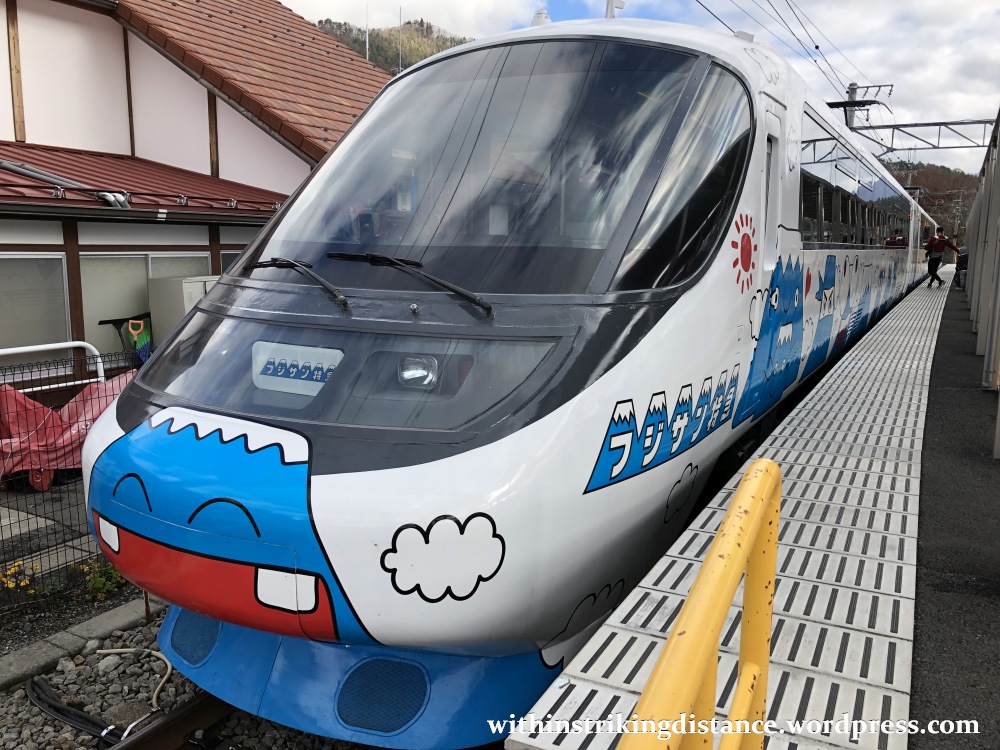
Rail Report: The “Fujisan Tokkyū” Train between Kawaguchiko and Ōtsuki, Japan

Japan’s iconic Mount Fuji looms large over the surrounding landscape, so it’s possible to see the mountain from many vantage points. That said, some of the best views can be enjoyed from the northern shore of Kawaguchiko, a large lake at the base of Mount Fuji – and it’s got the added advantage of being fairly convenient to reach from Tōkyō. Today, let’s look at a train that’s popular with daytrippers aiming to see Mount Fuji from that area, thanks to its comfortable interiors and the fast connection it offers from Ōtsuki Station (which is in turn conveniently linked to Tōkyō’s Shinjuku Station).

Welcome aboard the Fujisan Tokkyū.

Continue reading “Rail Report: The “Fujisan Tokkyū” Train between Kawaguchiko and Ōtsuki, Japan”

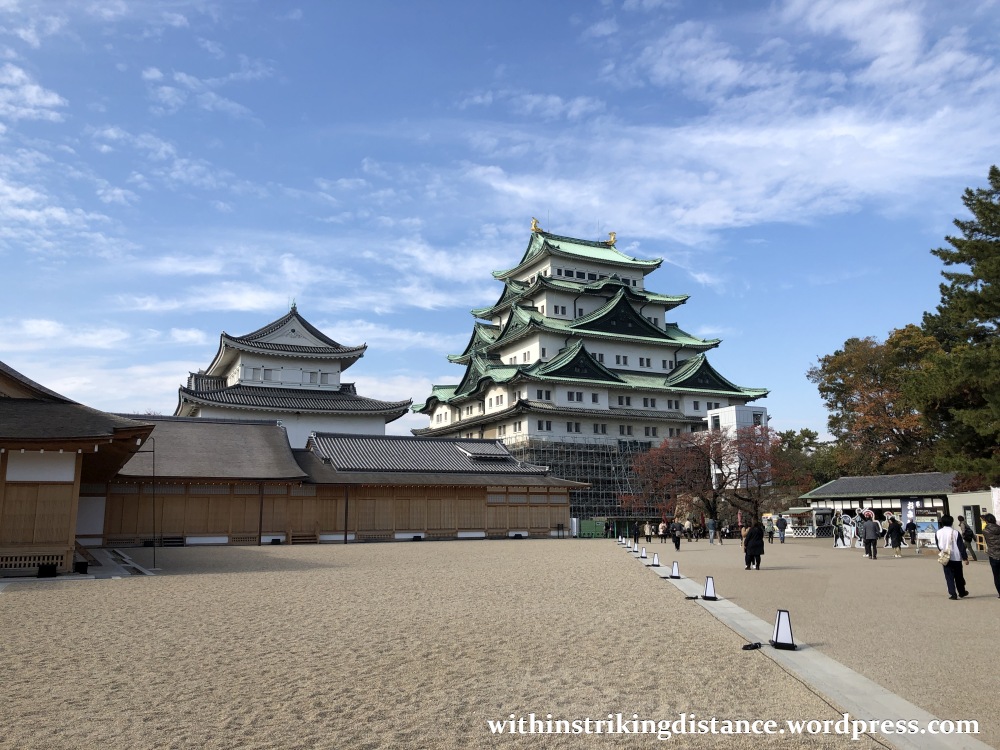
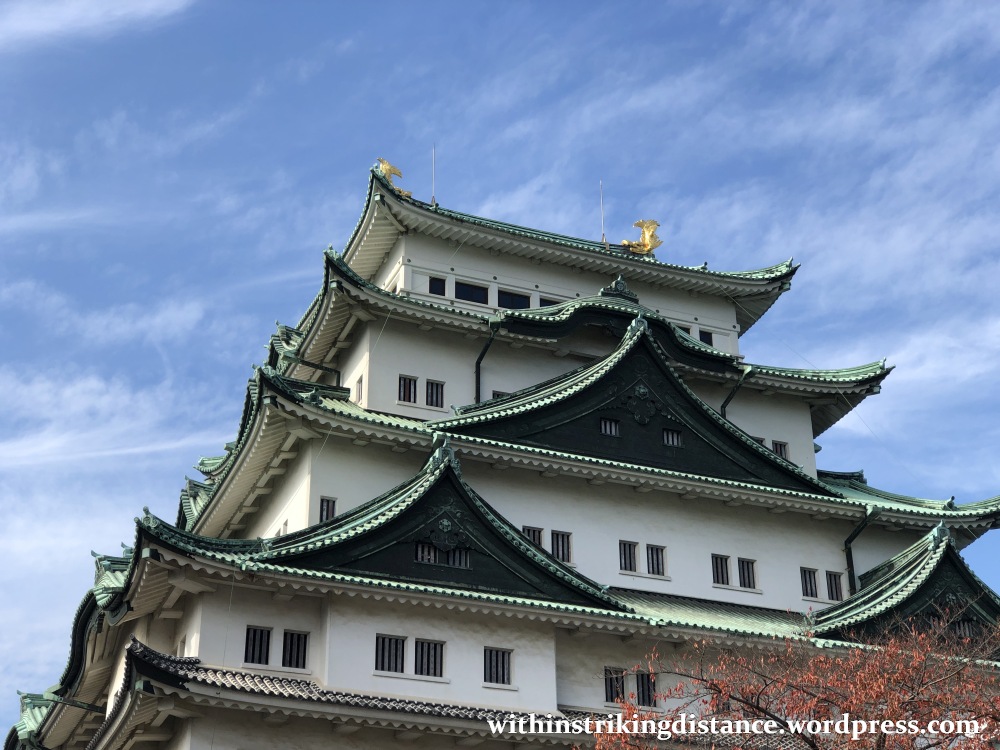
Field Report:  A walk through the grounds of Nagoya Castle, Japan (28 November 2018)

In my previous post, I wrote in detail about the newly reconstructed Honmaru Palace of Nagoya Castle. Needless to say, that episode was just a slice out of a visit to the castle compound, which has a lot more to see besides the palace at its centre.

Let’s see how the rest of that day went.

Continue reading “Field Report:  A walk through the grounds of Nagoya Castle, Japan (28 November 2018)”

Field Report:  The Honmaru Palace of Nagoya Castle, Japan (28 November 2018)

I’ve long had a keen interest in the ambitious project to resurrect the lost Honmaru Palace of Nagoya Castle: quite possibly one of the most magnificent examples of 17th-century Japanese architecture to have survived from the Edo Period. (Well, up until it was reduced to cinders by Allied bombing in 1945.) Over the course of multiple visits, I’ve been privileged to witness the rebirth of this grand architectural treasure as it rose from the ground in stages, gradually reversing its complete destruction near the end of the Second World War. This past November, I returned to the palace and was delighted to see the wraps finally come off from its last major sections – their grandeur revealed for a new generation to behold.

Continue reading “Field Report:  The Honmaru Palace of Nagoya Castle, Japan (28 November 2018)”

Food Report: Tea and Kuri-kinton at Daikoku-ya Sabō (Magome-juku, Japan)

Let’s round off my series of Kiso Valley-related posts with a quick and breezy food report. Today’s subject: a tea break I enjoyed whilst visiting the beautiful town of Magome.

Welcome to Daikoku-ya Sabō.

Continue reading “Food Report: Tea and Kuri-kinton at Daikoku-ya Sabō (Magome-juku, Japan)”

Field Report:  Tsumago and Magome, Kiso Valley, Japan (27 November 2018)

On a fine autumn morning last November, I set off on another day trip from Nagoya – this time heading deep into the mountainous heart of the Chūbu region. My target: two beautifully preserved post towns that once served an Edo Period highway. There, in the refreshing peace of the Japanese countryside, I enjoyed an atmosphere as far removed as one can possibly imagine from the heaving, bustling, incredibly modern city I’d just left behind.

Welcome to the Kiso Valley.

Continue reading “Field Report:  Tsumago and Magome, Kiso Valley, Japan (27 November 2018)”

Rail-Bus Report: Travelling to and around the Kiso Valley from Nagoya, Japan

In this report, I’ll describe how I travelled to – and between – the wonderfully scenic Edo-period post towns of the Kiso Valley using public transportation, with Nagoya (the nearest major urban centre) as my base.

Continue reading “Rail-Bus Report: Travelling to and around the Kiso Valley from Nagoya, Japan”

Field Report:  Meoto Iwa and Hinjitsukan, Ise, Japan (26 November 2018)

During the second part of my visit to Ise, I ventured out of the city centre to see two local landmarks: one natural, one man-made, and each with its own special charm.

Continue reading “Field Report:  Meoto Iwa and Hinjitsukan, Ise, Japan (26 November 2018)”